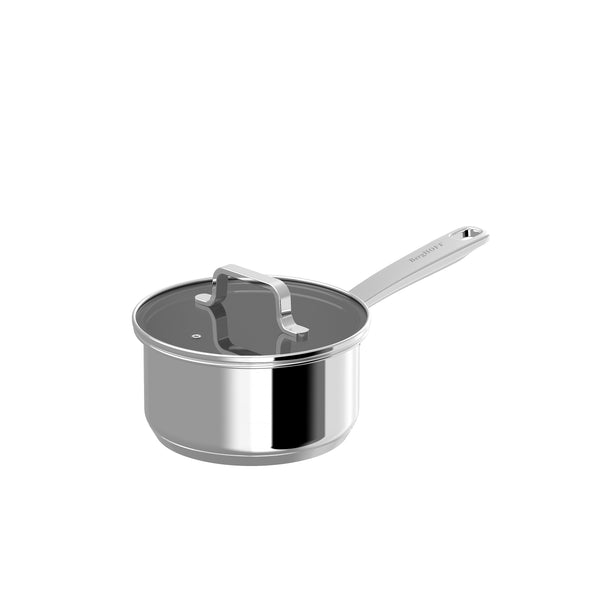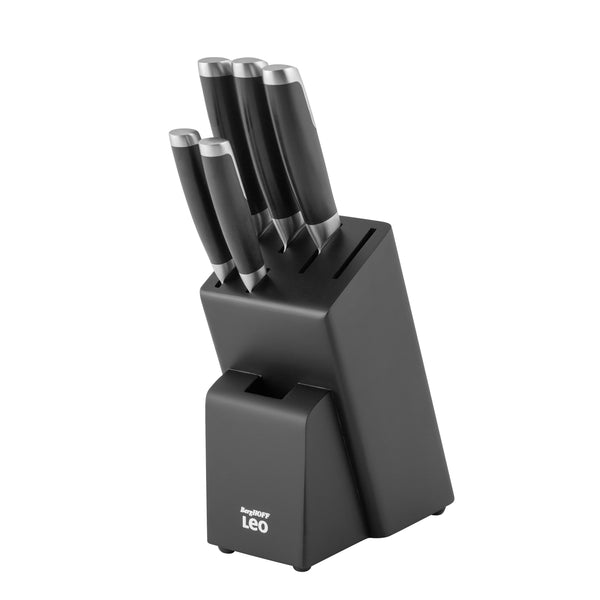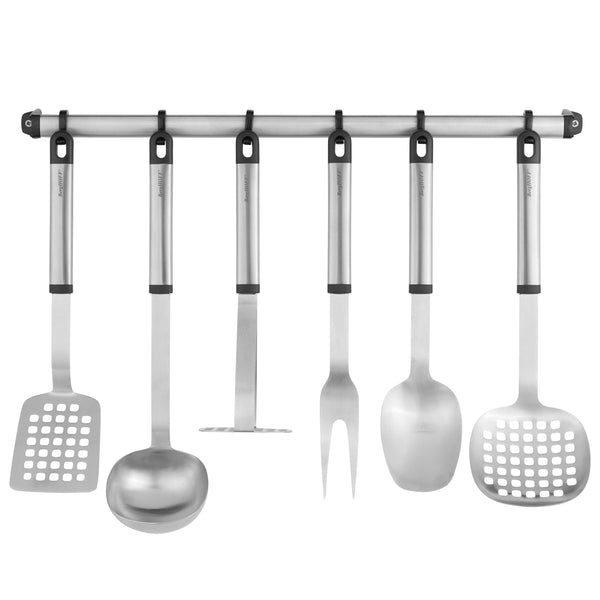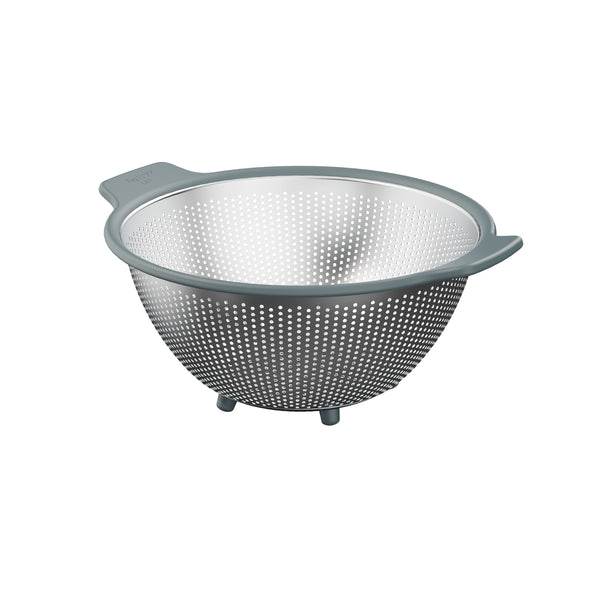
To sell cookware online, your product pages have to do what a shop assistant and a shelf would do in person: give exact sizes, confirm which hobs a pan works on, explain the material and any coating, spell out what's safe in the oven and dishwasher, and show the product clearly. Buyers can't lift the pan or check the base, so whatever they would have looked at in store has to be on the page. With those in place, the rest of the listing is much easier to write.
This guide is for e-commerce managers at existing web shops and for marketplace sellers who are adding a cookware brand. It's about listings and category pages. If you're still deciding what to stock, start with our guide on how to choose a cookware range for your shop.
What online buyers need that in-store shoppers don't
In a shop, a customer can hold a pan up, feel its weight and read the box. Online, they have only your page, and they usually arrive with one specific question in mind: will this fit, will it work on my hob, and is it the same as the one I had? Answer those without making anyone hunt through a description.
The table below sets out the details that matter most, and why.
| Detail | What to show | The question it answers |
|---|---|---|
| Size | Exact diameter in cm, plus capacity in litres | Will it fit my hob, my cupboard and my family? |
| Hob compatibility | Every suitable heat source, with induction stated clearly | Will it work at home? |
| Material and coating | Body material, and coating type where there is one | What am I cooking on? |
| Oven use | Maximum temperature, with lids listed separately | Can I finish a dish in the oven? |
| Care | Dishwasher safe or hand wash | How much work is it after dinner? |
| Contents | Every item in the box, with its size | What exactly am I buying? |
Sizes: be exact, and give both numbers
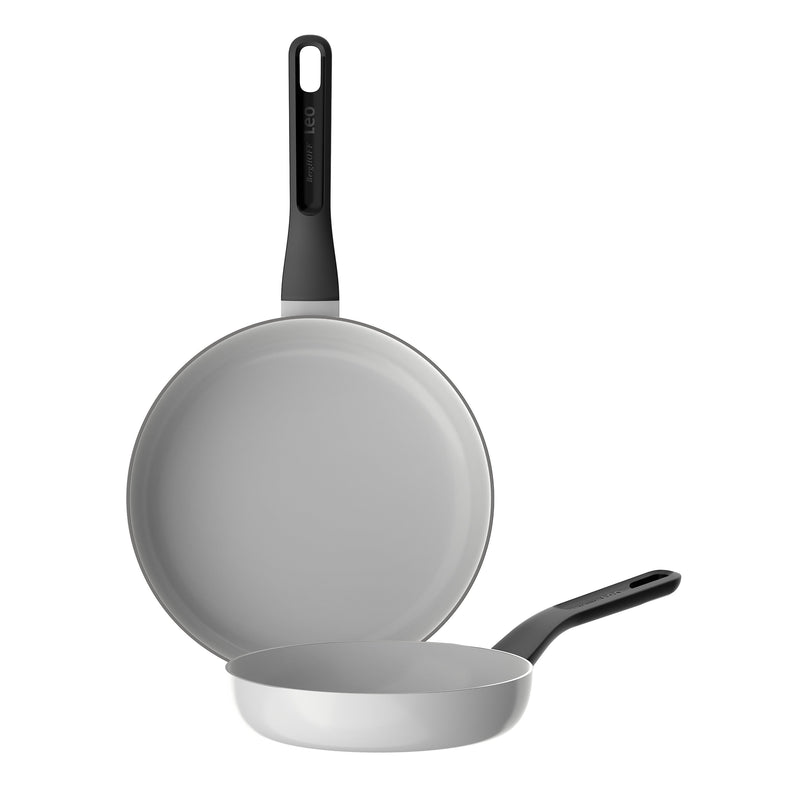
Size is usually the first thing people check, and a vague label like "large" helps nobody. Give the diameter and the capacity. The Helix 3-piece frying pan set shows why: its 20, 24 and 28 cm pans hold 1.30, 2.20 and 3.15 litres, which tells a buyer far more than the piece count does.
It also helps to say who each size suits. Many shoppers aren't sure what they need, and our article on frying pan sizes is a good example of the kind of question your page should settle. A short line such as "28 cm: for family meals" can do the job.
Hob compatibility: don't make people guess
Induction is the question that can't be left open. If a pan works on induction, say so near the top of the page, and list the other heat sources too: gas, electric, ceramic and halogen. Put the same information in your filters, so that someone with an induction hob can narrow a category in one click. Never assume this detail carries across a whole brand. Check each series before you publish.
Materials and coatings: use the product data
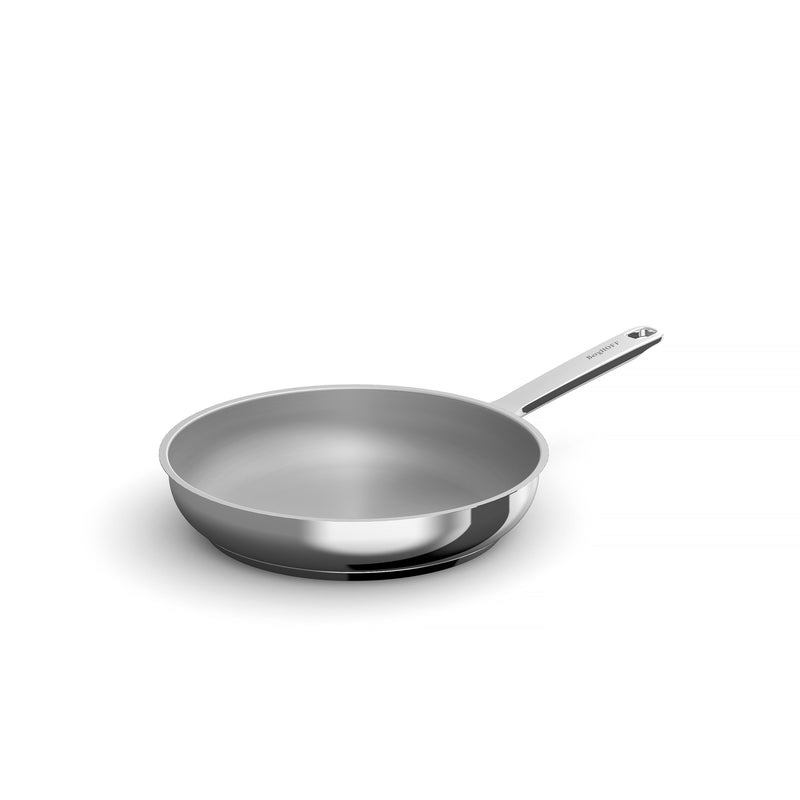
Buyers compare materials, so be precise, and take your wording from the product data rather than your own impressions. For stainless steel, say what the pan is made from and how the base is built. The Helix pans, for example, are made with recycled stainless steel and have a capsuled base, with no non-stick coating, and that last detail matters to anyone expecting one.
With non-stick pans, name the coating type. If the manufacturer describes a coating as PFAS-free, keep that exact context and write "according to the manufacturer". Some shoppers read these lines closely. Our guide to sustainable corporate gifts was written for gift buyers, but the same care with material claims applies to a product page.
Oven and dishwasher: small lines, big questions
Give the maximum oven temperature and treat lids as a separate item. On the Helix 6-piece stainless steel cookware set, the casseroles are ovenproof up to 250°C while the glass lids stop at 180°C. A page that gives only the first number could send a customer's lid into a hot oven. Care information should be just as plain: dishwasher safe or hand wash, in a line that's easy to spot.
Photos: show what the buyer can't touch
Good photos replace the moment when a customer picks up a product in the shop. For each listing, aim for:
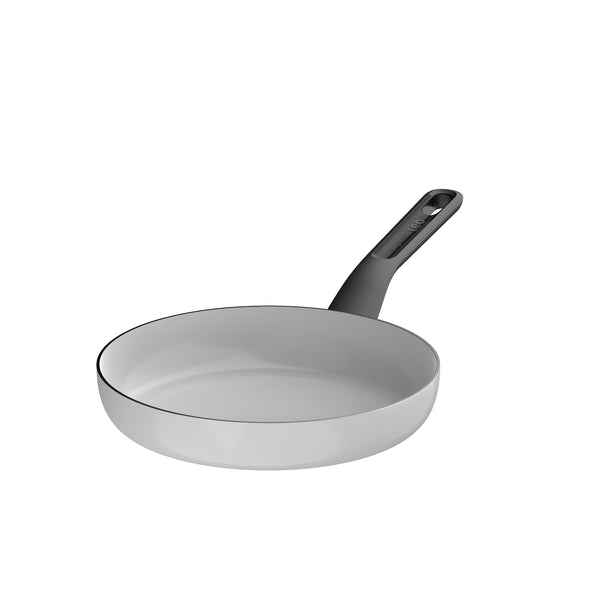
- a clean main image that works in small sizes in a category grid or on a marketplace
- a view of the base, which buyers can't turn over for themselves
- a close-up of the inside surface, handle and lid
- a photo with the lid on and another with it off
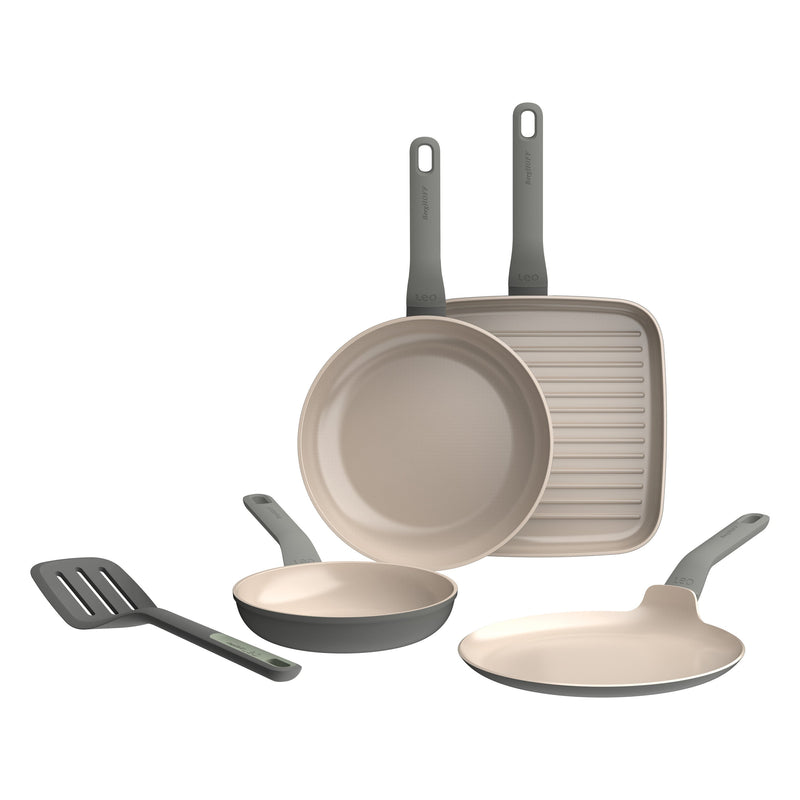
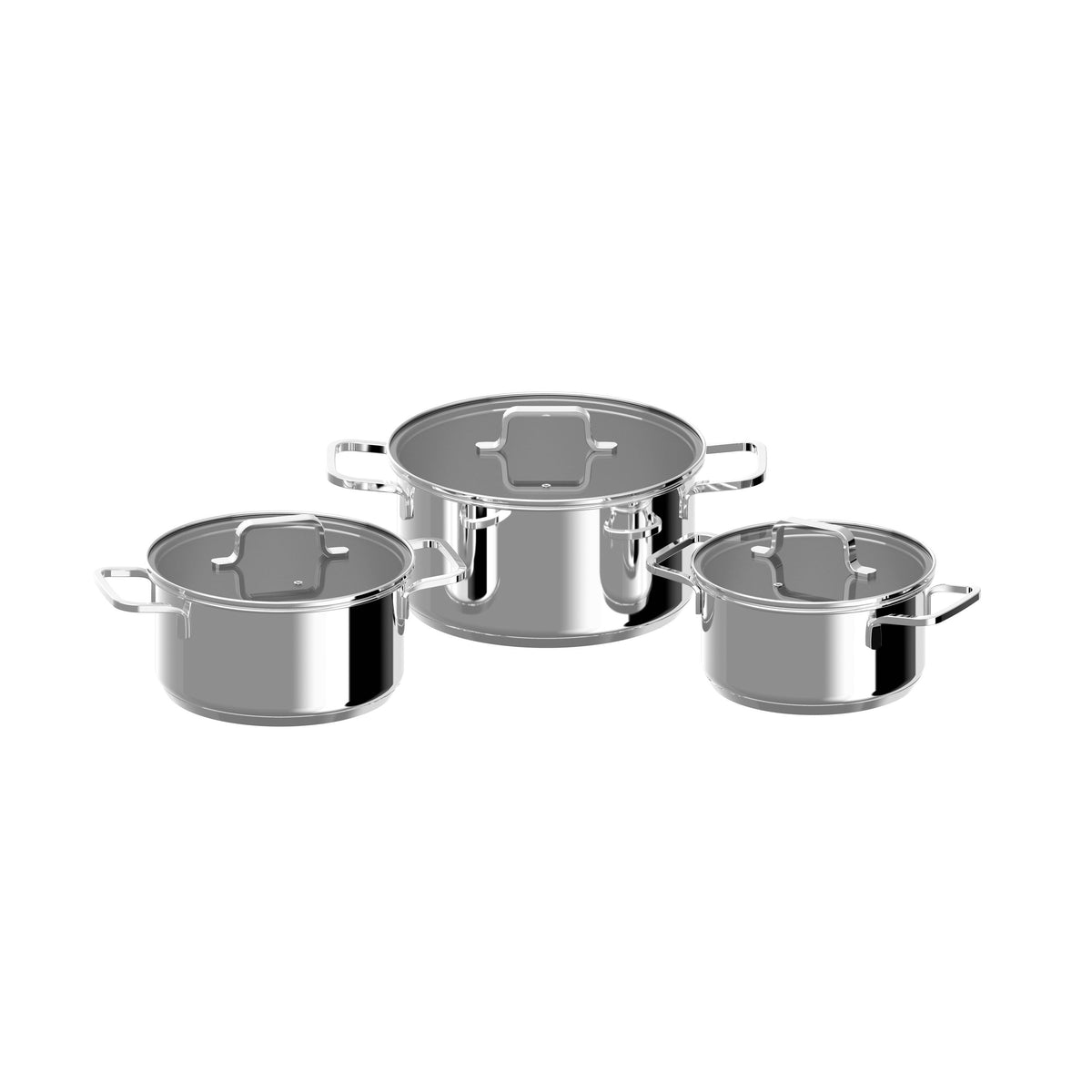
- for sets, one image showing every piece together
Photos should match the page exactly. If the set in the picture has more pieces than the set you're selling, expect confused customers.
Sets and bundles: explain what's in the box
Piece counts can mislead, because lids often count as pieces. The Helix 6-piece cookware set is three covered casseroles of 18, 20 and 24 cm, so a good listing says so in words. Our pot sets and pan sets cover a wide spread of piece counts, which makes a clear "what's included" list on every page all the more useful.
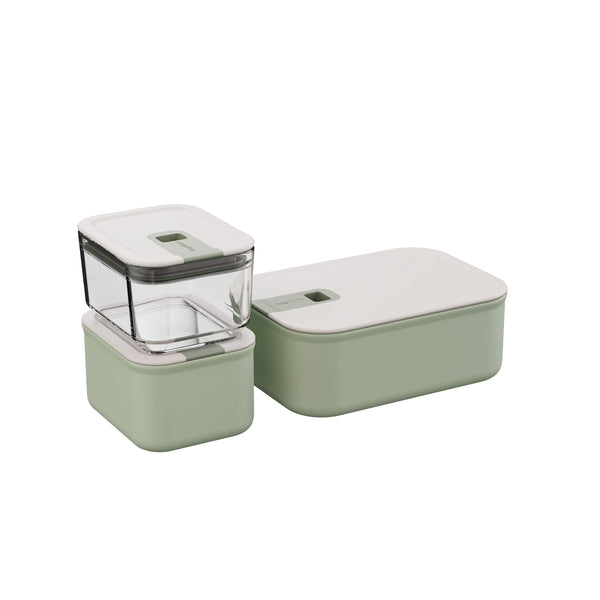
Storage works the same way. With food container sets, put the volumes on the listing: the Smart Seal 5-piece set, for instance, has two 0.40 L, two 1 L and one 1.60 L container. If you build your own bundles, make sure every item works on the same hobs and state the care details for each piece.
Gift-season landing pages
Around Christmas, people arrive looking for a present rather than a specific pan, and they often don't know the recipient's hob or kitchen. A simple landing page can help by grouping sets by occasion or recipient. Favour products that are easy to give, mention packaging when your product data confirms it (the Helix 6-piece set comes in a gift box, for example) and use clear headings. Plan these pages well before the season starts, so they're ready when the searches begin.
Category pages matter too
A product page only works if people can find it. Your category pages should have filters for diameter, material and heat source, a short introduction that helps shoppers choose, and links to buying guides. Keep the naming consistent across the category too, so the same series and sizes are easy to compare at a glance.
How BergHOFF works with web shops
Selling BergHOFF online is one of the ways we work with business partners. We help web shops and marketplace sellers with the range, product information and photos, as part of our offer for retailers. The full range has more than 330 products, from pans and pots to knives, storage and kitchen tools, and all of it comes from one supplier. If you'd rather sell cookware under your own name, our guide to private label cookware explains how that differs from reselling a brand.
To get started, tell us about your shop, the channels you sell through and the categories you have in mind. Use the business enquiry form and choose "Web shops and marketplaces" as the type of cooperation. Enquiries from web shops and marketplace sellers are handled through berghoff.lv and its sister shops berghoff.lt, berghoff.ee, berghoff.fi, berghoff.se and berghoff.dk, the official BergHOFF online stores for the Baltics and the Nordics.
Frequently asked questions
What's the most important information on a cookware product page?
Exact size, hob compatibility, material, any coating, oven limits and care instructions. If a buyer has to leave the page to find one of these, the page isn't finished.
Should I write my own product descriptions?
It's a good idea to put them in your own words and match your shop's tone, but keep every technical detail exactly as it appears in the product data.
Do you provide product information and photos for web shops?
Yes. We help web shops with the range, product information and photos.
Which countries do you work with?
We serve business customers in Latvia, Lithuania, Estonia, Finland, Sweden and Denmark. For other countries, get in touch and we'll look at the options.
How do business prices work?
We prepare an individual offer based on quantity. Send us your plans through the enquiry form and we'll come back to you.
Checklist for your cookware pages
Product page
- Diameter in cm and capacity in litres
- All suitable heat sources, with induction stated clearly
- Body material, base type and any coating, as stated in the product data
- Maximum oven temperature, with lids listed separately
- Dishwasher or hand-wash information
- Everything in the box, listed by item and size
- Photos of the base, inside surface, handle and lid
Category page
- Filters for diameter, material and heat source
- A short introduction that helps people choose
- Consistent product names and sizes
- Main images that are easy to read at thumbnail size
- Links to buying guides that answer common questions
- Sets shown with a clear piece count, and seasonal gift pages planned in advance